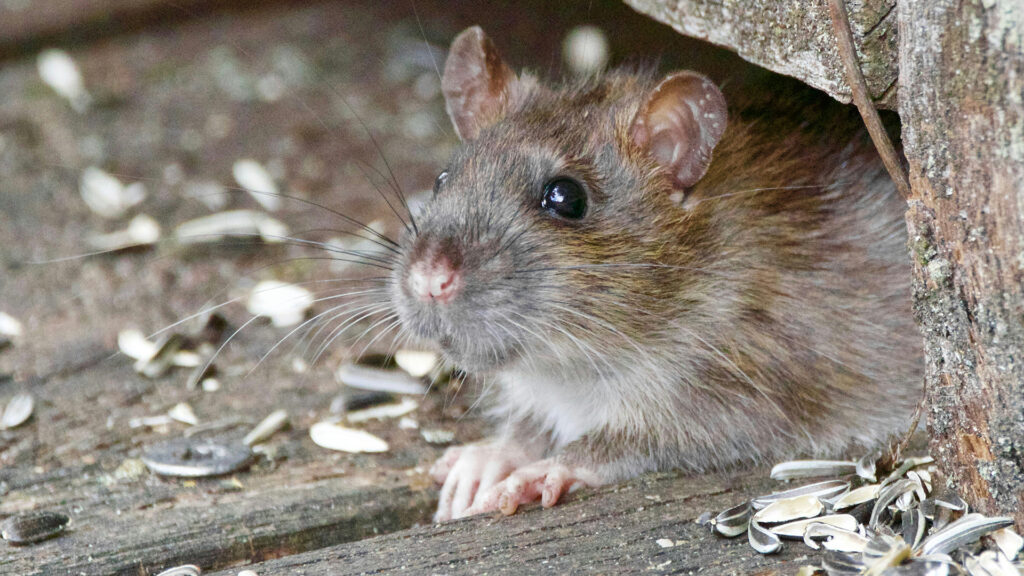
Rodent infestation is a critical problem that affects public health, home hygiene and structural integrity. In the silent war against these tenacious invaders, effective eradication requires a well-rehearsed strategy; It requires the combined use of proven methods and products specifically designed to counter them. This article aims to present the most effective solutions in the field of pest extermination, always favouring a responsible and environmentally friendly approach.
Knowledge of the enemy
Before any intervention, it is important to know your enemy… Rodents (rats, mice, field mice) are remarkably adaptable; Their ability to reproduce quickly makes their presence potentially devastating. A careful approach involves identifying the type of rodent (each species has its own specific food preferences and habits), as well as areas of activity. Identifying these elements is crucial; it will directly influence the choice of eradication techniques.
The first step is to thoroughly inspect the premises: traces of snacking, excrement, nocturnal noises… These indices not only make it possible to estimate the severity of the infestation but also to identify strategic points where to intervene. It is therefore essential to examine (or even plug) any structural flaws that would facilitate their intrusion.
Mechanical methods
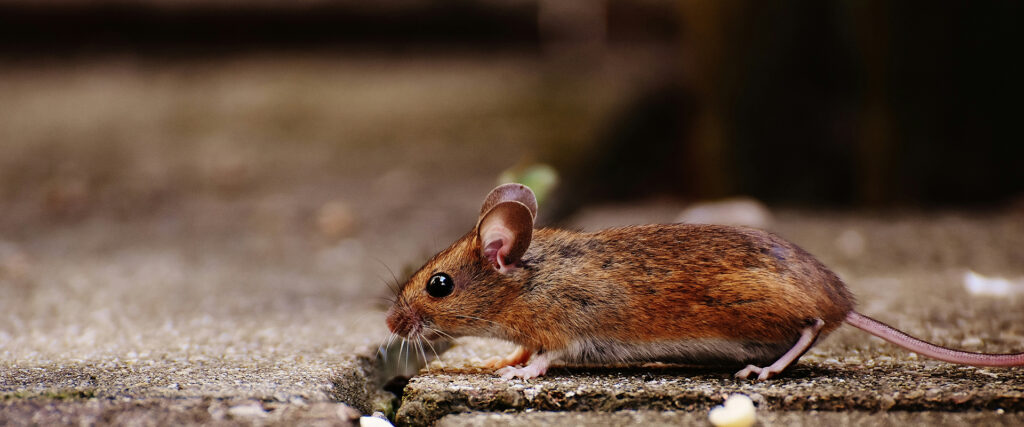
Traps are the traditional mechanical method: simple, often effective… They exist in various forms: swatters, cages or even sticky traps (whose use nevertheless raises ethical questions). The location of the traps is decisive; They should be placed in areas where rodent activity is most intense – usually along walls or near spotted nests.
To maximize their effectiveness, it is sometimes necessary to bait the traps with foods that are irresistible to our opponents – chocolate, peanut butter or bacon… But be careful: care must be taken to secure these devices in order to avoid any accidental risk to other pets or even humans. Some sophisticated swatters promise painless and quick extermination; They are an interesting choice for those concerned about animal welfare.
However, it is essential to regularly check the traps installed and to dispose of them respectfully by scrupulously following health standards – a point we cannot stress enough.
Chemicals
Rodenticides… They act as anticoagulants causing the rodent to die progressively. These substances must be handled with extreme care: the risk of accidental poisoning is not negligible – both for non-target animals and for humans (especially children).
When it is necessary to use these chemicals, it is recommended to use certified professionals who will be able to apply these poisons in compliance with the environmental and safety standards in force. Poisoned baits are usually placed in secure cases to limit their effects to pests only.
But beware: some rodent populations develop resistance to conventional poisons… This is why it is sometimes necessary to opt for more recent formulations or periodically change the active ingredient in order to prevent our targets from getting used to it.
Prevention and hygiene
“Prevention is better than cure”… This popular saying is relevant in our context. Good hygiene is essential to prevent your home from becoming attractive to hungry rodents. Eliminating accessible food sources and stagnant water is already a significant barrier.
It is also necessary to be vigilant about the storage of foodstuffs: airtight containers, closed bins; Everything must be thought out to discourage any attempt at intrusion. Similarly, regular garden maintenance – removal of piles of wood or debris where they like to nest – significantly limits the risks.
In addition, there are various natural repellents on the market (essential oils such as peppermint, etc.) whose effectiveness can vary but which offer an interesting alternative to radical methods. The idea here is not to eliminate but rather to dissuade…
Post-extermination follow-up
Once the battle is won… Don’t let your guard down! Post-extermination follow-up is crucial to prevent any recurrence. This implies periodic monitoring of formerly infested areas as well as constant vigilance regarding the preventive maintenance mentioned above.
Contracts with specialized companies may include this type of ongoing service; They provide additional “peace of mind” ensuring that the problem remains resolved in the long run. This is not only a practical measure, but also an ecological one, since it often avoids the systematic use of destructive chemical methods.
Finally, educating all members of the household on anti-rodent practices (proper closing of doors and windows, etc.), as well as raising awareness of the warning signs, can make all the difference between forced cohabitation and newfound tranquility.

